
Crypto Regulation 2026: Stablecoin Rules and the CLARITY Act

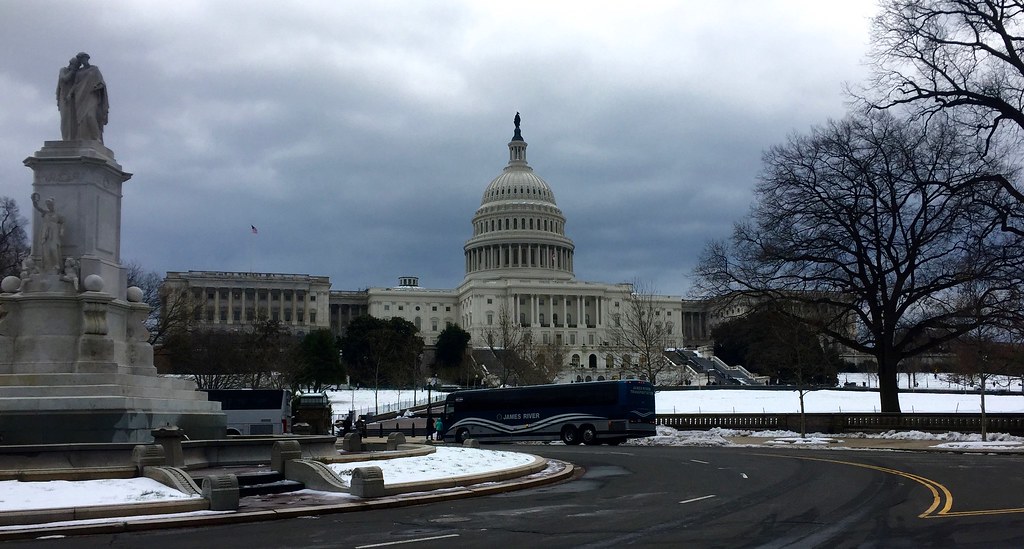
As of June 19, 2026, United States crypto regulation is moving on two tracks: federal agencies face a July 18 deadline to publish stablecoin rules under the GENIUS Act, and the Senate is weighing the CLARITY Act, a bill that would set who regulates digital asset markets.
Together these efforts are the clearest attempt yet to give crypto a defined rulebook in the US, after years in which exchanges, stablecoin issuers, and investors operated under uncertain oversight.
The stablecoin rulebook is taking shape
The GENIUS Act, signed into law on July 18, 2025, created the first federal framework for US dollar payment stablecoins. Under the law, issuers must back each token with 1:1 reserves of cash or short-term Treasury securities and disclose those reserves every month.
The law gives supervisory agencies until July 18, 2026 to publish implementing rules, with the requirements taking effect by January 18, 2027 at the latest. The Treasury Department and the FDIC have already opened public consultations ahead of that deadline.
Reserve rules like these exist because of what can go wrong without them. In 2022, an algorithmic stablecoin that was not backed by real reserves lost its dollar peg within days and collapsed, erasing value for holders who had treated it as a cash equivalent. The GENIUS Act’s insistence on 1:1 backing in cash or short-term Treasuries, combined with monthly disclosure, is designed to make that kind of failure far harder to repeat for regulated dollar stablecoins.
What the CLARITY Act would change
The jurisdiction question the CLARITY Act tries to resolve has been unsettled for years. The SEC has argued that many tokens meet the legal test for a security, while the CFTC has generally treated assets like bitcoin as commodities. Because neither agency has had clear statutory authority over the full market, exchanges have faced enforcement actions and lawsuits without a settled rulebook to follow, and assets such as ethereum have repeatedly been caught in the middle of the debate over which category they belong in.
The Digital Asset Market Clarity Act, known as the CLARITY Act, addresses that separate question: which agency oversees crypto trading. The House passed its version in July 2025, and the Senate Banking Committee advanced the bill by a vote of 15 to 9 on May 14, 2026.
The key facts of the proposal:
- It would give the Commodity Futures Trading Commission exclusive jurisdiction over spot markets for assets it defines as digital commodities.
- It would keep the Securities and Exchange Commission in charge of assets treated as investment contracts.
- A January 2026 Senate draft would bar service providers from paying interest or yield simply for holding a stablecoin balance, while still allowing activity-linked rewards.
Why it matters
A clear split between the CFTC and the SEC would tell exchanges and token projects which regulator they answer to, a point of confusion that has driven years of court fights. Defined stablecoin reserve rules, meanwhile, are aimed at preventing the kind of collapse that wiped out holders in earlier, unbacked tokens. For background on how digital assets work under the hood, see our blockchain guide.
What changes for retail investors
For everyday holders, the practical impact shows up mostly through the platforms they already use, not through any direct new obligation. Clearer stablecoin rules mean the dollar pegged tokens many traders use to move in and out of positions should carry stronger, more regularly verified backing. A settled jurisdictional split between the SEC and CFTC also makes it more likely that mainstream brokerages will list additional tokens with confidence, since platforms tend to avoid assets whose legal status is unresolved. Retail investors comparing where to hold their crypto once the rules stabilize can weigh their options in our Binance vs Coinbase comparison.
What changes for exchanges and institutions
Exchanges and larger financial institutions face a bigger shift. A defined split between securities and commodities regulation lets exchanges build compliance programs around a known rulebook instead of guessing which agency might act next. That certainty tends to lower the legal risk of listing new tokens and can open the door to more institutional products, similar to how a clear regulatory path helped spot bitcoin ETFs reach the market. Institutions still need to solve custody, since regulatory clarity does not remove the operational work of securing digital assets. Our guide to crypto wallets covers the basics of how that custody works.
The stablecoin yield question
The interest and yield restriction mentioned above is worth unpacking, since it draws a distinction that matters for anyone holding stablecoins. Passive interest, paid simply for holding a balance, resembles a bank deposit and is the kind of product regulators want to treat carefully. Activity linked rewards, such as staking tokens to help secure a network, are treated differently because the yield comes from doing something rather than simply parking funds. How regulators finalize that line will shape which stablecoin products can legally offer a return to US holders.
What is next
The stablecoin rulemaking deadline in July is the next firm date to watch. The CLARITY Act still needs a full Senate vote before it can become law, so its market-structure provisions are not yet settled. Investors should treat the framework as a work in progress rather than a finished set of rules.
Until both pieces fall into place, market participants are operating under a partially finished rulebook: stablecoin issuers already have binding reserve requirements even though the fine print of the implementing rules is still being written, while exchanges are planning around a jurisdictional split that is not yet law. That gap between what has been decided and what is still pending is likely to keep shaping headlines through the rest of 2026.
Frequently asked questions
Is crypto legal in the United States in 2026? Yes. Crypto is legal, and 2026 has been focused on defining how it is regulated rather than banning it. The GENIUS Act is already law, and the CLARITY Act is still moving through Congress.
What does the GENIUS Act require of stablecoins? It requires issuers to hold 1:1 reserves in cash or short-term Treasuries and to disclose those reserves monthly. Implementing rules are due by July 18, 2026.
Who will regulate crypto trading? If the CLARITY Act passes, the CFTC would oversee spot markets for digital commodities while the SEC would handle assets classed as investment contracts.
Does this regulation affect decentralized finance platforms? The GENIUS Act and CLARITY Act are aimed primarily at centralized issuers and trading venues. DeFi protocols that operate without a central issuer raise separate questions that lawmakers have not fully resolved, so their regulatory treatment remains less certain than that of licensed stablecoin issuers and registered exchanges.
Will existing crypto exchanges need to change how they operate? If the CLARITY Act becomes law, exchanges would need to determine which listed assets fall under CFTC oversight as digital commodities versus SEC oversight as securities, then adjust registration and compliance accordingly. Exchanges already operating under state money transmitter licenses or existing SEC and CFTC registrations would build on that foundation rather than starting from scratch.
What happens if the CLARITY Act does not pass the Senate? If the bill stalls, crypto trading in the US would continue under the current patchwork of state licensing, existing securities and commodities law, and case by case enforcement, the same uncertain environment that has driven years of litigation. The GENIUS Act’s stablecoin rules would still move forward on their own timeline regardless of what happens to the CLARITY Act, since the two bills are separate pieces of legislation.
Related reading
For another sign of crypto entering mainstream finance, read our explainer on bitcoin ETFs, or start with what is bitcoin.